

 Teanga
Cad atá le Lorg i Monaróir Comhpháirteach Uilíoch
Cad atá le Lorg i Monaróir Comhpháirteach Uilíoch
An ceart monaróir comhpháirteach uilíoch a mheas ar chúig fhachtóir nithiúla: cáilíocht ábhar agus teaschóireála, lamháltais déantúsaíochta, toilleadh chasmhóiminte agus uillinne, deimhnithe, agus iontaofacht am luaidhe . Monaróir atá in ann lamháltais a dhoiciméadú laistigh ±0.001 go ±0.005 orlach , deimhnithe muileann soláthair le haghaidh amhábhar, agus rátálacha chasmhóiminte a sholáthar le tacaíocht ó thástáil neamhspleách go ginearálta is soláthraí fadtéarmach níos sábháilte ná soláthraí amháin a thairgeann praghas agus luas seachadta amháin.
Sula n-iarrann tú comharthaí athfhriotail, caolaigh do chuardach leis an seicliosta seo:
- Deimhnigh go dtáirgeann an monaróir an cineál comhpháirteach sonrach a theastaíonn ó d’iarratas (aonair, dúbailte nó treoluas tairiseach).
- Iarr bileoga sonraí ar chasmhóiminte agus toilleadh uilleach, ní hamháin toisí na catalóige.
- Fíoraigh deimhnithe cáilíochta mar ISO 9001 nó IATF 16949 má éilíonn do thionscal iad.
- Iarr amanna tionscanta samplacha agus íosmhéideanna ordú roimh ré.
- Fiafraigh an bhfuil meaisínithe saincheaptha, plating, nó ionadú ábhar ar fáil intí.
Rud a Tháirgeann Monaróir Comhpháirteach Uilíoch i ndáiríre
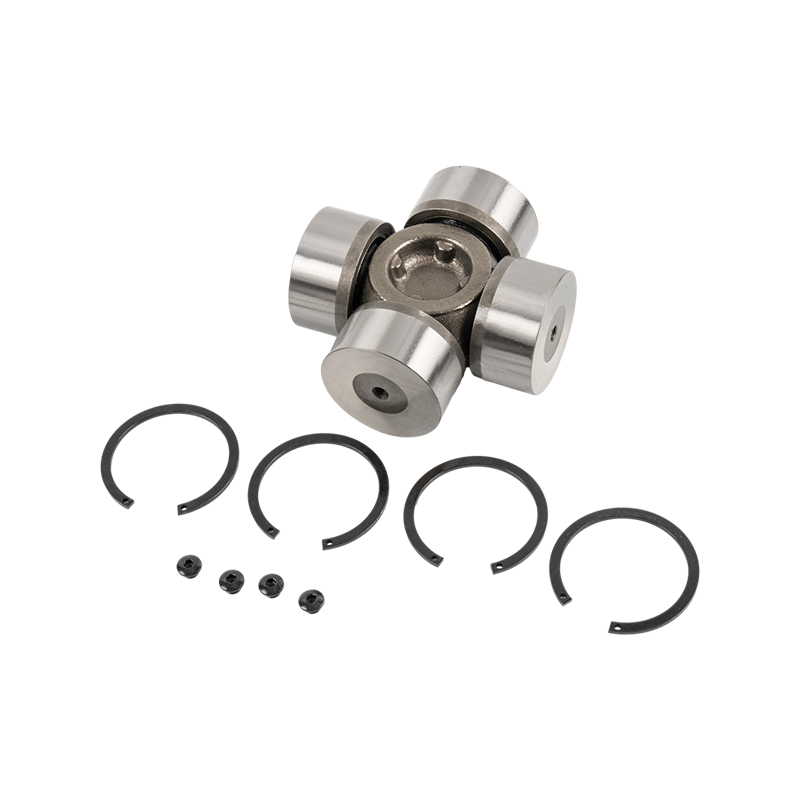
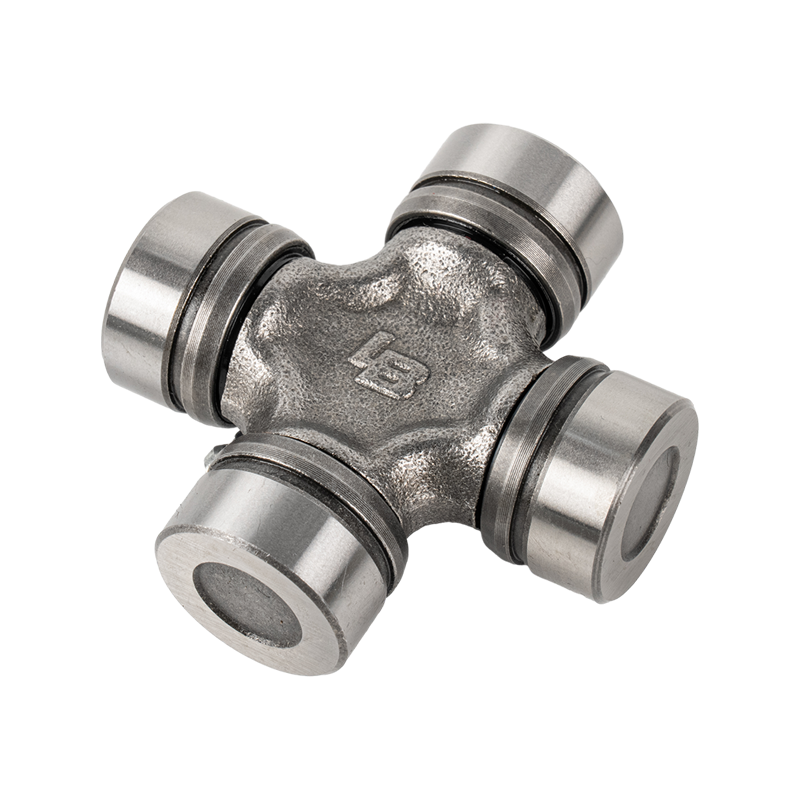
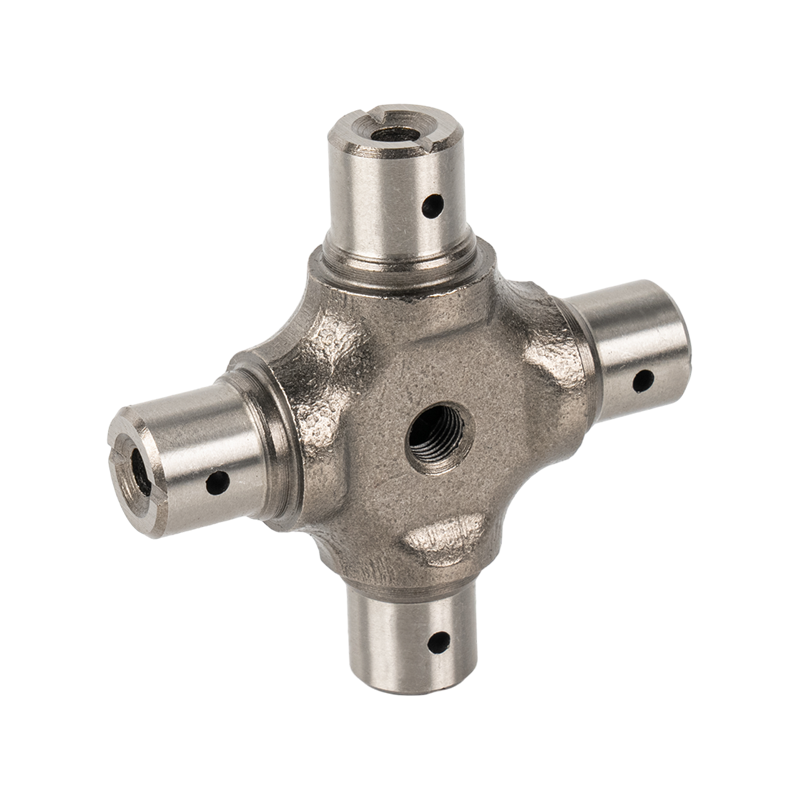
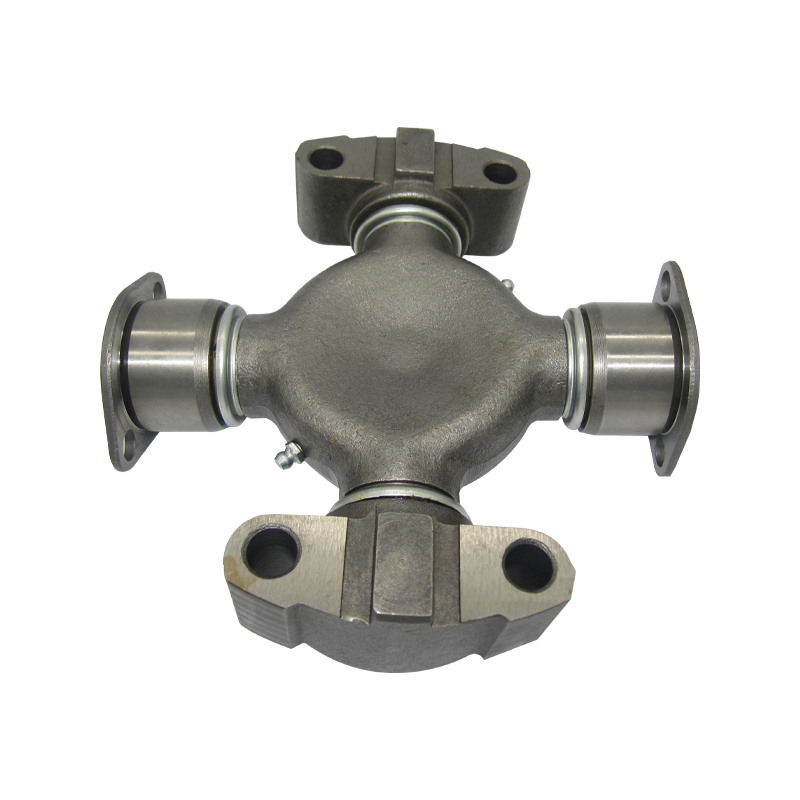
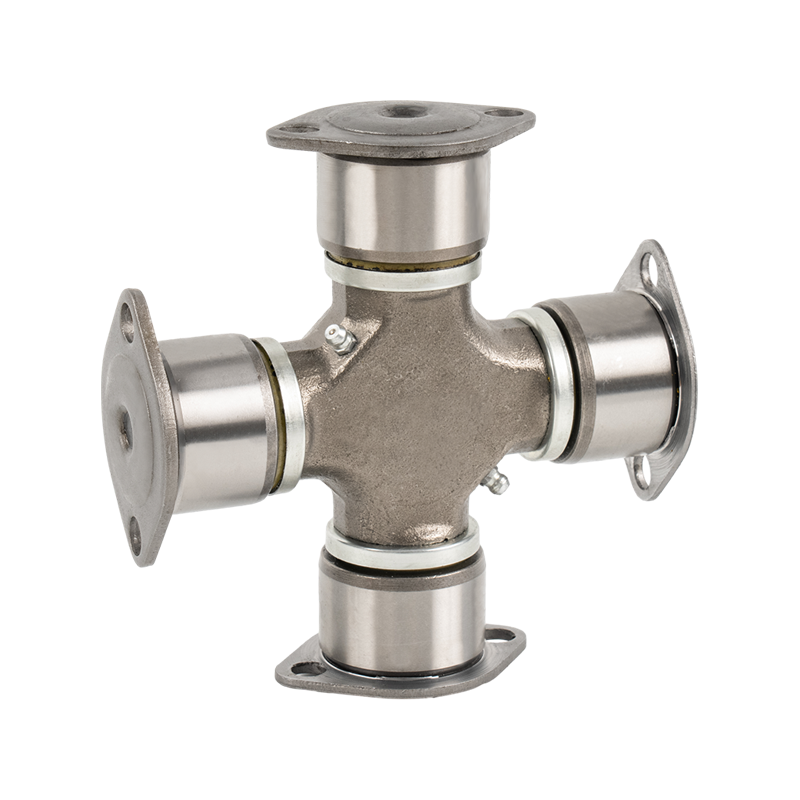
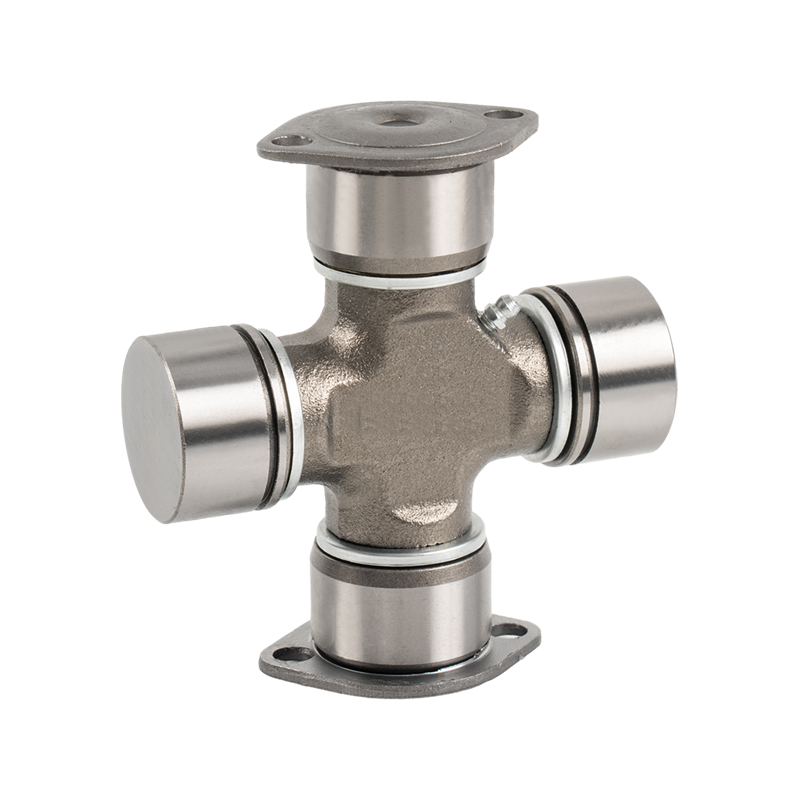
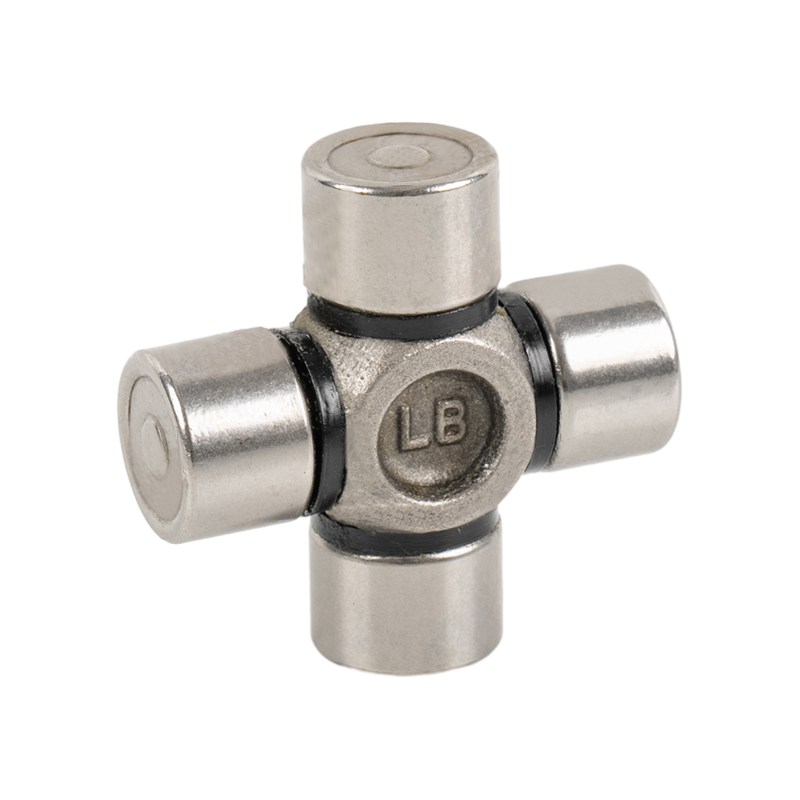
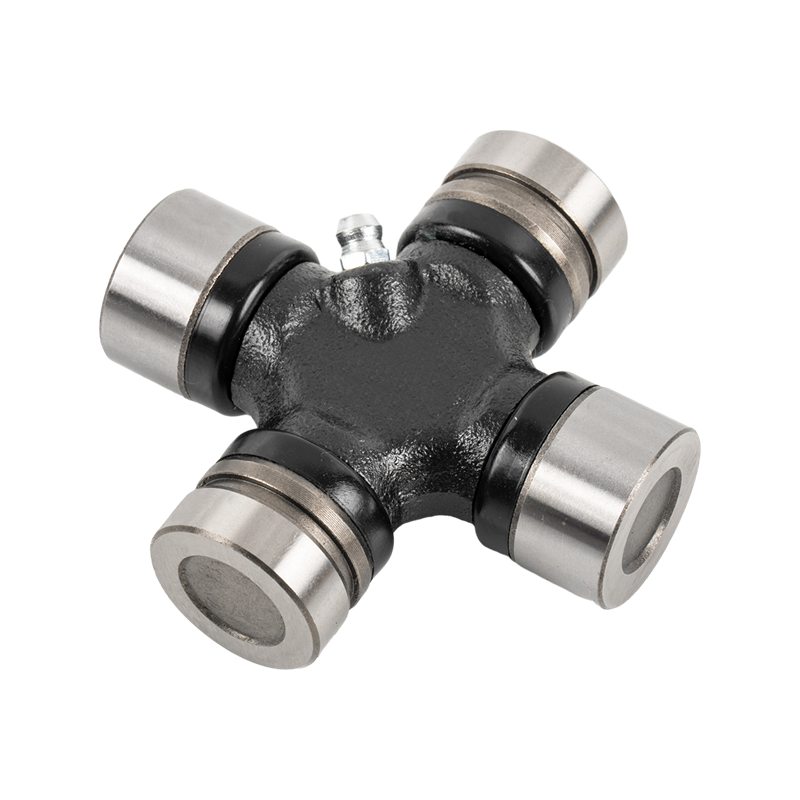
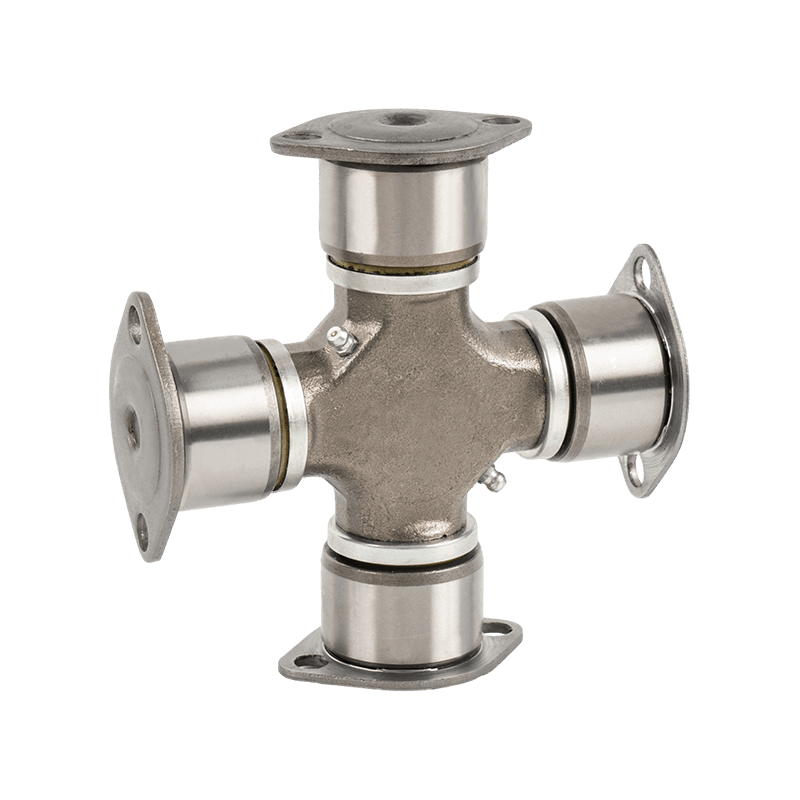
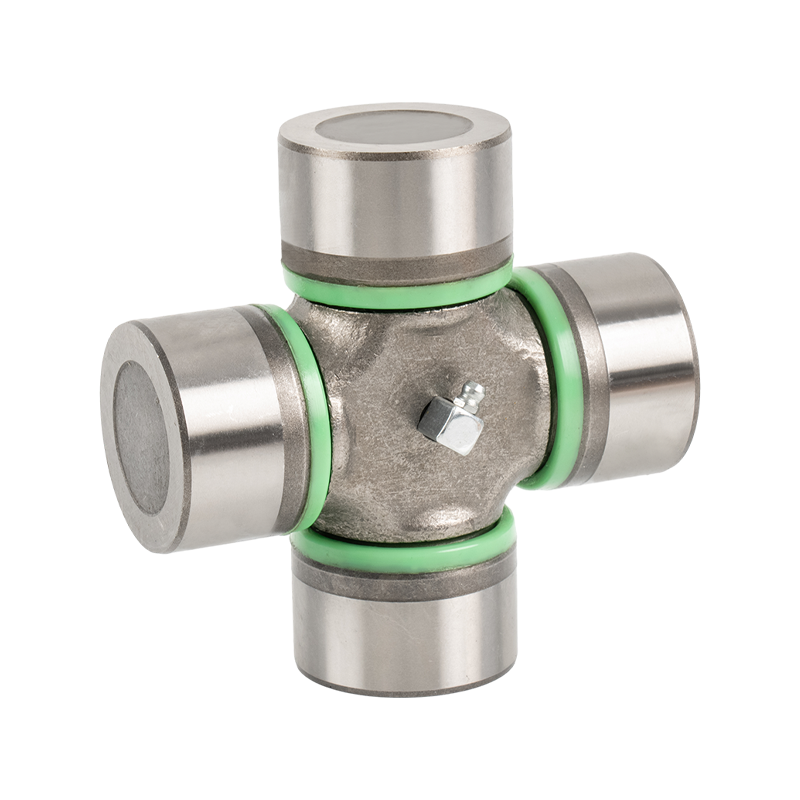
Tarchuireann comhpháirteach uilíoch (U-joint) cumhacht rothlach idir dhá seafta nach bhfuil ailínithe go foirfe. De ghnáth cuireann monaróirí roinnt cumraíochtaí ar fáil chun freastal ar riachtanais éagsúla ualaigh agus uillinne.
Siúntaí Uilíoch Aonair
An chumraíocht is bunúsaí, a úsáidtear nuair a bhíonn an uillinn mí-ailínithe beag — go hiondúil faoi 45 céim — agus tá éagsúlacht luais rothlaithe idir seaftaí ionchuir agus aschuir inghlactha don iarratas.
Siúntaí Uilíoch Dúbailte
Dhá alt shingil nasctha le cuing láir, rud a ligeann do uillinneacha mí-ailínithe níos mó agus luas aschuir a choinneáil níos gaire don tairiseach. Tá siad seo coitianta i gcórais stiúrtha agus i línte tiomána tionsclaíocha a láimhseálann uillinneacha suas go dtí 90 céim le chéile .
Siúntaí Treoluas Tairiseach (CV).
Deartha chun deireadh a chur le luaineacht luais go hiomlán, fiú ag uillinneacha mí-ailínithe níos airde. Tá siad seo níos casta agus níos costasaí le monarú ach tá siad caighdeánach in acastóirí tiomána feithicleach agus in innealra ardchruinneas.
Príomh-Sonraíochtaí le hIarratas Ó Monaróir ar bith
Ba cheart go mbeadh monaróir iontaofa in ann sonraíochtaí doiciméadaithe a sholáthar, ní hamháin uimhir pháirteach agus praghas.
| Sonraíocht | Cén Fáth a bhfuil Tábhacht ag baint leis |
|---|---|
| Rátáil chasmhóiminte (leanúnach agus buaic) | Cinneann sé ualach oibriúcháin sábháilte gan teip roimh am |
| Uillinn oibriúcháin uasta | Deimhníonn sé comhoiriúnacht le do mhí-ailíniú seafta |
| Grád ábhair agus cruas | Bíonn tionchar aige ar shaol tuirse agus ar fhriotaíocht chaitheamh |
| Caoinfhulaingt leadránach | Cinntíonn sé feistiú ceart le seaftaí agus laghdaíonn sé creathadh |
| Cóireáil dromchla/plátáil | Cinneann sé friotaíocht creimeadh i dtimpeallachtaí lasmuigh nó i dtimpeallachtaí níocháin |
Ábhair a Úsáidtear go Coitianta ag Monaróirí Comhpháirteacha Uilíocha
Bíonn tionchar díreach ag rogha ábhair ar acmhainn chasmhóiminte, meáchan agus costas. Nochtfaidh monaróirí creidiúnacha grád ábhair seachas cur síos a dhéanamh air ach mar "cruach" nó "cóimhiotal."
Cruach Carbóin (1045/1060)
Is é an rogha is coitianta agus is cost-éifeachtaí le haghaidh feidhmeanna tionsclaíochta agus talmhaíochta ginearálta, teaschóireáilte go hiondúil go cruas HRC 28–32 le haghaidh cothromaíocht neart agus machinability.
Cruach Cóimhiotal (4140/8620)
Úsáidtear é le haghaidh feidhmchláir chasmhóiminte níos airde mar trucail throm, trealamh easbhóthair, agus giarbhoscaí tionsclaíocha. De ghnáth is féidir le hailt cruach cóimhiotail a láimhseáil 20-40% níos mó chasmhóiminte ná páirteanna cruach carbóin comhionann ag na toisí céanna.
Cruach Dhosmálta
Roghnaithe le haghaidh próiseála bia, timpeallachtaí mara agus ceimiceacha áit a bhfuil friotaíocht creimeadh níos mó ná an gá atá le hacmhainn uasta chasmhóiminte, ós rud é go ginearálta go bhfuil neart tuirse níos ísle ag gráid dhosmálta ná cruach cóimhiotail.
Tionscail a Bhraithíonn ar Dhéantúsaíocht Chomhpháirteach Chustaim
Cé go n-oibríonn hailt catalóige le haghaidh go leor feidhmchlár, bíonn páirteanna saincheaptha de dhíth ar thionscail éagsúla chun freastal ar riachtanais ualaigh, spáis nó comhshaoil.
- Talmhaíocht: Teastaíonn hailt atá rátáilte le haghaidh ardchasmhóiminte agus athruithe uillinne go minic faoi nochtadh deannaigh agus smionagar le haghaidh seaftaí PTO ar tharracóirí agus le chéile.
- Feithicleach agus trucail: Ní mór do joints Driveline cloí le dianfhulaingtí saoil tuirse agus cothromaíochta, a fhíoraítear go minic trí thástáil dhinimiciméadar.
- Mara: Teastaíonn ábhair resistant creimeadh agus séalaithe daingean ó chúpláin seafta lián chun cur isteach sáile a chosc.
- Innealra tionsclaíoch: Is minic go mbíonn gá le hailt dhlútha de dhíth ar chórais tiomána iompróra agus meascthóir a ndéantar innealtóireacht orthu le haghaidh cóimheasa sonracha torcmhóiminte go méid.
- Aeraspáis agus cosanta: Is minic a éilíonn caoinfhulaingt daingean agus ceanglais inrianaitheachta ábhar deimhnithe saincheaptha thar na codanna caighdeánacha tráchtála.
Deimhnithe agus Caighdeáin Cháilíochta ar Fiú a Fhíorú
Is bealach praiticiúil iad deimhnithe chun comhsheasmhacht próisis an mhonaróra a dhearbhú sula ndéanann tú ordú mór.
- ISO 9001: Deimhníonn sé go bhfuil córas bainistíochta cáilíochta doiciméadaithe i bhfeidhm trasna na táirgeachta.
- IATF 16949: Ag teastáil ag an chuid is mó de OEManna feithicleach agus soláthraithe Sraith 1 le haghaidh comhpháirteanna tiomáintlíne.
- AS9100: Riachtanach le haghaidh feidhmeanna aeraspáis agus cosanta a éilíonn inrianaitheacht iomlán ábhar.
- Deimhnithe muileann: Déan comhdhéanamh ceimiceach beacht agus airíonna meicniúla na mbaisceanna amhábhar a dhoiciméadú.
Is comhartha rabhaidh é monaróir nach bhfuil toilteanach aon cheann de na doiciméid seo a sholáthar ar iarratas, go háirithe le haghaidh orduithe atá ríthábhachtach don tsábháilteacht nó orduithe ardtoirte.
Déantóirí Intíre vs Déantóirí Thar Lear: Comhbhabhtáil le Breathnú
Is féidir le monaróirí baile agus thar lear araon páirteanna ardchaighdeáin a sheachadadh, ach is leor na comhbhabhtálacha le cur san áireamh sna cinntí foinsithe.
| Fachtóir | Intíre | Thar Lear |
|---|---|---|
| Am luaidhe | 2-6 seachtaine tipiciúil | 6-14 seachtaine lena n-áirítear loingseoireacht |
| Costas aonaid | Níos airde in aghaidh an aonaid | Níos ísle in aghaidh an aonaid ag toirt |
| Cainníocht íosta ordú | Go minic níos ísle, níos solúbtha | Is minic a bhíonn sé níos airde chun uirlisiú/loingseoireachta a chosaint |
| Cumarsáid/tacaíocht | Crios ama agus ailíniú teanga níos éasca | D'fhéadfadh go mbeadh níos mó comhordaithe ag teastáil ó thaobh forchostais |
| Fíorú cáilíochta | Iniúchtaí ar an láthair níos éasca | D’fhéadfadh go mbeadh gá le cigireacht tríú páirtí |
Ceisteanna le cur sula gcuirfear BulcOrdú
Is féidir le comhrá cáilíochta gairid roimh ordú cosc a chur ar iontas costasach níos déanaí, go háirithe le haghaidh OEM nó conarthaí ard-toirte.
- An féidir leat cuid samplach a sholáthar le tuarascáil iniúchta tríthoiseach iomlán roimh tháirgeadh iomlán?
- Cad é do ghnáthráta lochtanna, agus conas a rianaítear é thar ritheanna táirgeachta?
- An dtairgeann tú méideanna tollaidh saincheaptha, cumraíochtaí cuing, nó cóireálacha dromchla?
- Cad é do chuid ama luaidhe caighdeánach, agus conas a athraíonn sé le haghaidh orduithe os cionn do chainníocht íosta?
- An féidir leat deimhnithe muilte agus doiciméadú inrianaitheachta ábhar a sholáthar in aghaidh an bhaisc?
- Cén bharántas nó polasaí athsholáthair atá i bhfeidhm má theipeann ar chodanna faoi ualach rátáilte?
Botúin Choitianta Agus Comhsholáthraí Uilíoch á Roghnú
- Is ionann soláthróir a roghnú bunaithe ar phraghas amháin gan rátáil chasmhóiminte a dhearbhú agus an t-ualach iarratais iarbhír.
- Mainneachtain páirteanna samplacha a iarraidh sula ndéantar ordú táirgeachta mór.
- Breathnú ar neamhréireanna lamháltais tholgtha, rud a d’fhéadfadh creathadh agus caitheamh roimh am a chur faoi deara fiú ar alt atá rátáilte i gceart.
- Ag glacadh leis go bhfuil friotaíocht creimeadh comhionann ag gach joints "cruach dhosmálta" gan an grád sonrach a sheiceáil (m.sh., 304 vs 316).
- Gan cuntas a thabhairt ar éagsúlacht na n-am luaidhe nuair a chuireann moilleanna loingseoireachta thar lear isteach ar sceidil táirgeachta.
Tacaíocht Cothabhála agus Infhaighteacht Iarmhargadh
Ní thagann deireadh le dea-chaidreamh monaróir ag an seachadadh. Fiafraigh díobh an bhfuil páirteanna athsholáthair á stoc ag an soláthraí, an dtugann siad feisteáin athfhásta d’alt inseirbhíse, agus an féidir leis comhpháirteanna meaitseála a sholáthar blianta ina dhiaidh sin más gá an trealamh a dheisiú. Déantóirí a choinníonn comhsheasmhacht pháirt-uimhir fadtéarmach cothabháil agus athsholáthar a dhéanamh amach anseo i bhfad níos éasca ná iad siúd a athraíonn sonraíochtaí go minic nó a scoireann páirteanna leagáide gan fógra.